
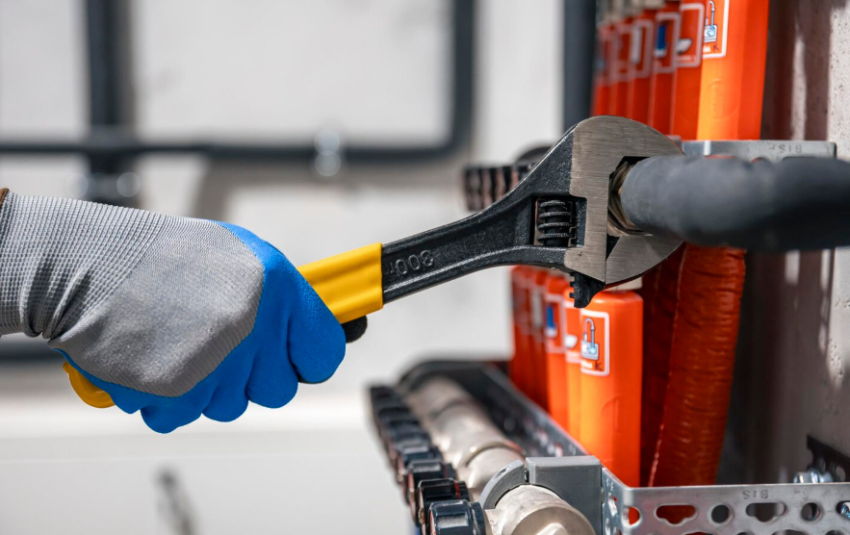
Water is one of those things you barely think about until something goes wrong. You turn on the tap and expect everything to just work, like magic. But behind that “magic” is a whole system of pipes, pressure, and fittings doing their job quietly in the background.
The funny thing is, most home water problems start small. A drip here, a weird sound there, maybe a tap that refuses to stop leaking no matter how tightly you twist it. These little signs often get ignored because life is busy.
Leaks at Home
Leaks are probably the most common plumbing problem in any house. A dripping tap might not seem like a big deal, but over time it wastes a surprising amount of water. Then there are hidden leaks inside walls or under sinks that you don’t notice until the floor feels a bit too soft or the water bill jumps for no clear reason.
Sometimes pipes also get older and start behaving badly. They don’t always burst dramatically. More often they just get tired and slow, like they’re quietly giving up one drop at a time.
Role of a Professional Plumber
There comes a point where DIY stops being helpful and starts being risky. That’s usually when a professional plumber becomes the right call. If your water pressure suddenly drops, or the same leak keeps coming back no matter what you try, it’s usually not a “quick fix” situation anymore.
A plumber deals with the stuff hidden behind walls and under floors, the parts you don’t want to guess about. They can figure out what’s actually going wrong instead of just treating the surface problem.
Backflow Testing
One part of home water safety that people often don’t hear about is backflow testing. In simple terms, it checks that water is flowing in the right direction and staying clean. You don’t want used or dirty water sneaking back into your clean supply, even a little bit.
It usually isn’t something you notice day to day, which is exactly why it matters. It’s more like a safety check in the background that keeps everything safe without you having to think about it.
Saving Water Daily
Saving water doesn’t need big lifestyle changes. It’s mostly about small habits that stack up over time. Fixing leaks quickly is the biggest one. A single dripping tap might not feel urgent, but it quietly wastes water every day.
Other simple habits help too, like not letting the tap run while brushing teeth or only running washing machines with full loads. Most people are already doing some of these without even realizing it.
Staying Safe Long-Term
The truth is, plumbing systems last longer when they’re looked after instead of ignored. Regular checks, quick fixes, and paying attention to small changes all add up to fewer emergencies later on. It also makes life more comfortable.
No sudden cold showers, no surprise leaks, and no scrambling when something breaks at the worst possible time. A bit of attention now keeps your home water system steady, safe, and far less dramatic in the long run.